
For patients considering dental implants, a healthy and sufficient amount of jawbone is essential to support the implant properly. In some cases, due to bone loss from gum disease, trauma, or prolonged tooth loss, the bone may not be thick enough or strong enough to hold a dental implant securely. This is where bone grafting comes in. Bone grafting in McKinney is a procedure that helps to regenerate and strengthen areas of the jawbone that have deteriorated, creating a stable foundation for the future placement of dental implants.
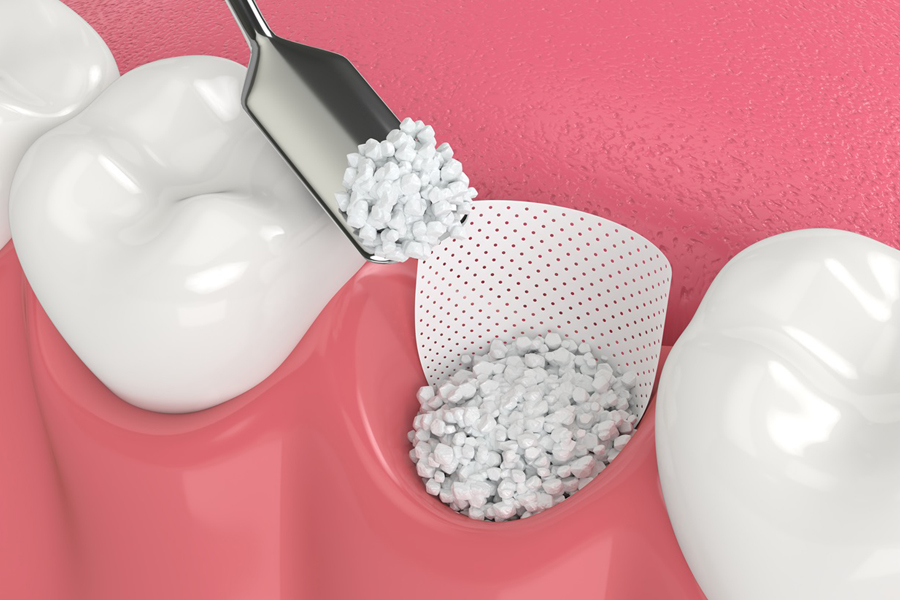
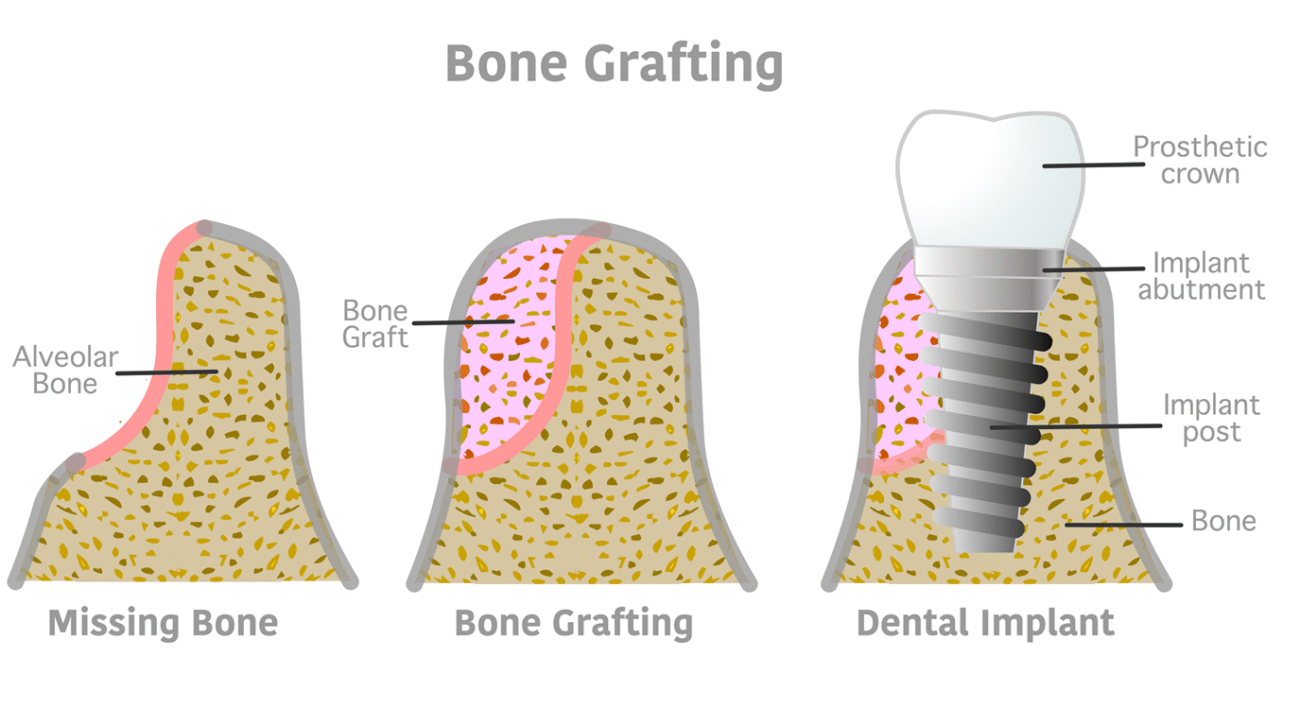
Dental implants need a certain amount of healthy bone to integrate successfully. When teeth are lost, the surrounding bone begins to shrink or resorb, which can make it difficult to place an implant without additional support. Bone grafting restores the lost bone, allowing our specialists to create a solid base for the implant that ensures long-term success and stability.
By performing bone grafting before implant placement, our specialists help to prevent complications, improve the fit and positioning of the implant, and increase the longevity of the restoration.
This type of bone graft is often performed immediately after a tooth is extracted. Our experts will place a bone grafting material into the socket where the tooth was removed, preventing bone shrinkage and maintaining the structure of the jawbone. This helps preserve the area for future implant placement.
For patients missing upper teeth, especially in the back of the mouth, the sinuses may be too close to the jawbone, leaving little room for implant placement. In this procedure, our specialists gently raise the sinus membrane and place a bone graft in the space beneath, creating enough bone height for the implant to be placed securely.
When bone loss has resulted in a thin or narrow ridge, ridge augmentation can widen and rebuild the bone. Our specialists apply bone grafting material to the affected area, encouraging new bone growth to restore the natural contours of your jaw. This ensures there’s enough width to accommodate the dental implant.
In some cases, bone can be harvested from another area of your body, typically from the jaw, chin, or hip. This type of graft uses your own bone tissue, which increases compatibility and healing time, allowing the new bone to integrate smoothly with the existing jawbone.
During the bone grafting procedure, our specialists will apply bone graft material to the area that requires regeneration. This graft material can come from a variety of sources, such as your own bone (autograft), a donor (allograft), or synthetic materials. Over time, the graft will integrate with your natural bone, stimulating new bone growth and strengthening the jaw.
The healing process typically takes a few months as the graft material gradually fuses with the existing bone. Once the bone has healed and the graft is fully integrated, our specialists can proceed with placing the dental implant.

If you have been told you don’t have enough bone to support a dental implant, bone grafting may be the solution you need to regain a strong, functional jawbone. This procedure ensures that your dental implant has the proper foundation for long-term success, giving you a healthy, stable smile that feels natural.
Contact our periodontal office in McKinney to schedule a consultation and learn more about bone grafting and dental implant placement. Together, we’ll help you achieve the smile you’ve always wanted with the most advanced techniques in modern dentistry.