
Impacted teeth, especially canines, can create complications during orthodontic treatment. When a tooth is “impacted,” it means that it has not fully emerged from the gum line and is trapped in the jawbone or soft tissue, preventing it from erupting into its proper position. The most common impacted tooth, after wisdom teeth, is the canine. This tooth plays a critical role in guiding your bite and maintaining facial structure.
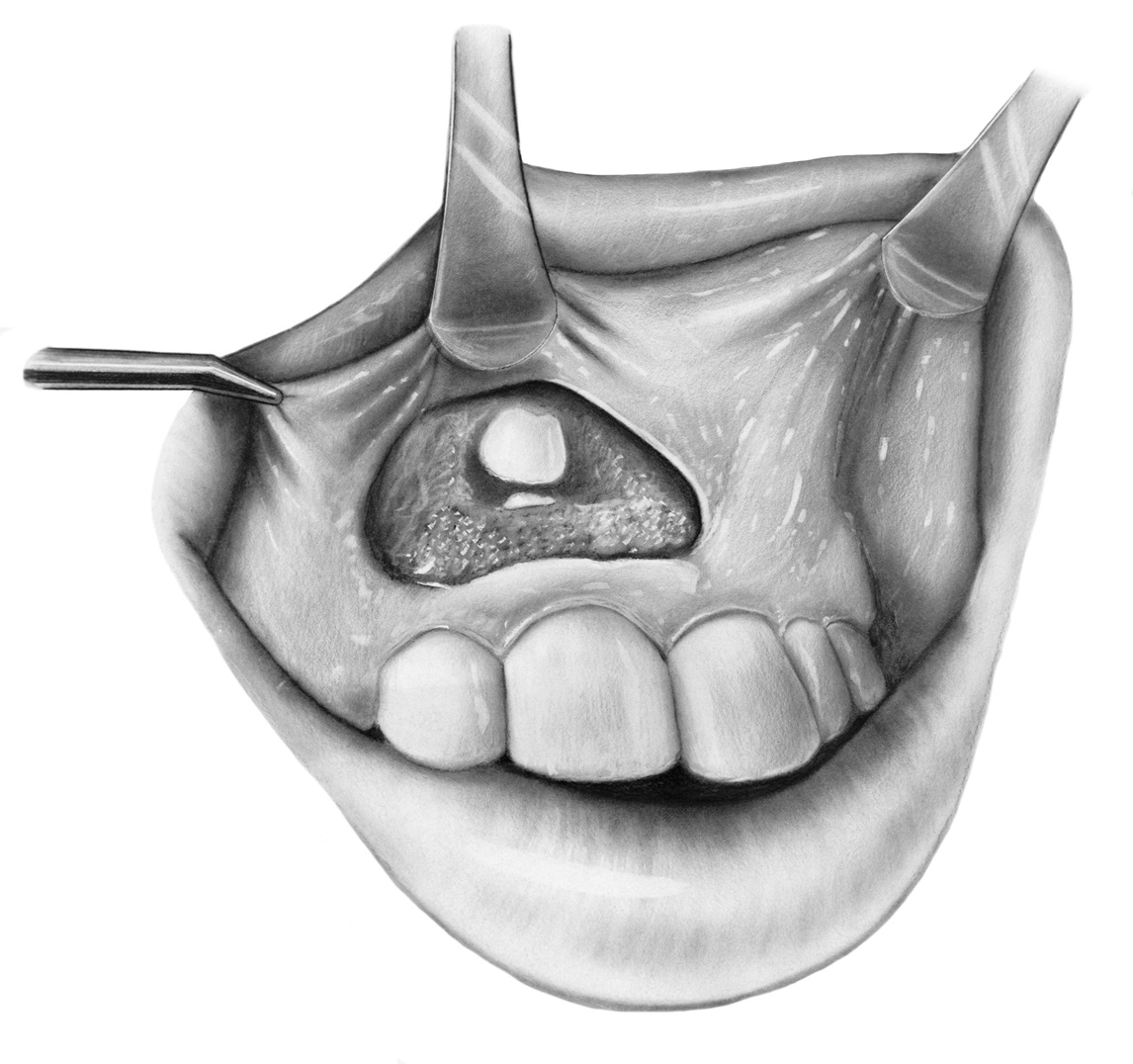
When impacted canines do not erupt naturally, our specialists can assist by surgically exposing the tooth. This exposure procedure allows your orthodontist to guide the tooth into its correct position, ensuring the best possible outcome for your orthodontic treatment.
Canines may become impacted due to several factors, such as:
Insufficient Space in the Dental Arch: There may not be enough room for the canine to erupt due to crowding or improper alignment of other teeth.
Misaligned Teeth or Abnormal Eruption Patterns: When adjacent teeth block the path of the canine, it can remain trapped beneath the gums.
Genetic Factors: Some individuals are more prone to impacted teeth due to family history or developmental issues.
Impacted canines that are left untreated can cause a variety of dental issues, including improper bite alignment, damage to nearby teeth, and even cyst formation. Early detection and treatment can prevent these complications and improve the overall success of your orthodontic plan.
The process begins with a thorough examination, often accompanied by X-rays or 3D scans, to assess the exact position of the impacted tooth. Our Specialists will coordinate with your orthodontist to plan the most effective treatment approach.
Using local anesthesia to ensure your comfort, our specialists will make a small incision in the gum tissue to uncover the impacted tooth. If the tooth is covered by bone, a portion of the bone may be gently removed to expose the tooth.
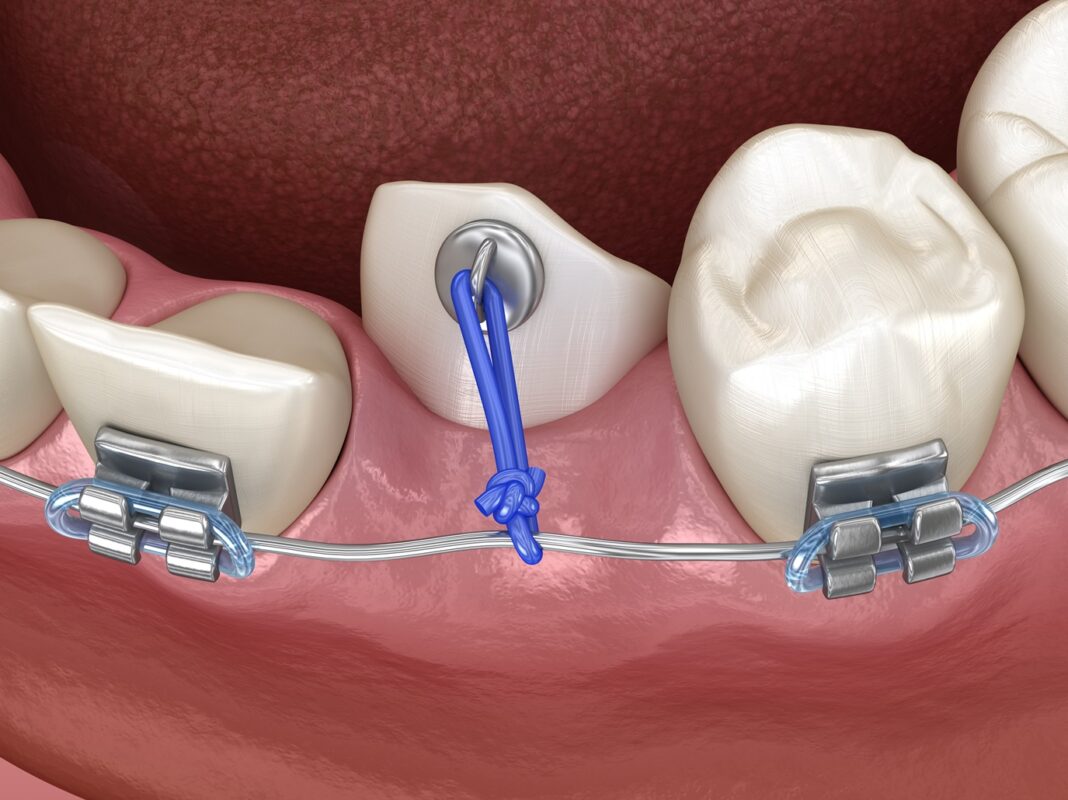
Once the tooth is exposed, our specialists may attach a small orthodontic bracket and chain to the tooth. This chain is then connected to your braces or another orthodontic appliance. Over time, your orthodontist will use this attachment to carefully guide the tooth into its proper place within the dental arch.
After the exposure procedure, the gums will heal, and your orthodontist will gradually adjust the position of the impacted tooth, using gentle pressure to help it emerge into the correct alignment. The complete process can take several months, depending on the tooth’s position and how quickly it moves.
Exposing impacted teeth early, especially canines, can prevent more complex dental issues down the road. Early intervention ensures that your orthodontic treatment proceeds smoothly and that the impacted tooth can be brought into alignment with the rest of your smile. Addressing an impacted tooth in a timely manner can also reduce the risk of damage to adjacent teeth, root resorption, or the development of cysts around the impacted tooth.
If you or your child has been diagnosed with an impacted tooth during orthodontic treatment, surgical exposure may be the key to achieving a healthy, aligned smile. Working closely with your orthodontist, our specialists will determine the best course of action to ensure that the impacted tooth is successfully guided into position.
Contact our specialists’ office in the DFW area to learn more about impacted tooth exposure and how it can benefit your orthodontic treatment. Together, we’ll help uncover your smile, ensuring a healthy and beautiful result.