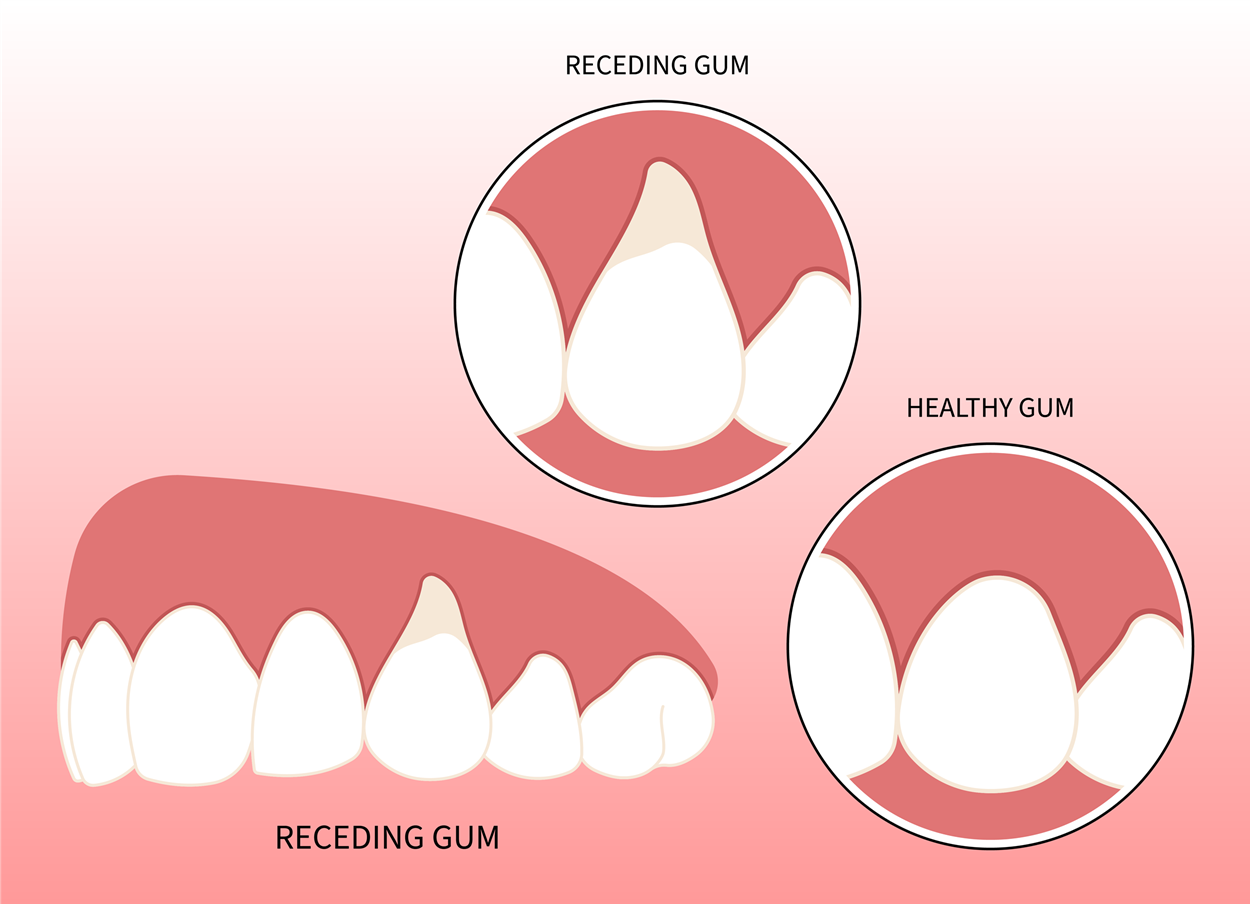
Gum recession can occur for various reasons, including:
Periodontal Disease: Infection and inflammation of the gums can lead to tissue loss.
Aggressive Brushing: Overbrushing or using a hard-bristled toothbrush can wear away gum tissue over time.
Genetic Factors: Some people are more prone to thin gum tissue or gum recession due to genetics.
Orthodontic Treatment: Teeth that have been moved through orthodontic treatment can experience gum recession, especially if the gum tissue is naturally thin.
When the gumline recedes, it can expose the roots of your teeth, which are more vulnerable to decay and damage. This can also lead to increased sensitivity to hot and cold foods and beverages. Tissue grafting restores the gumline, covering the exposed roots and protecting them from further damage.

Our specialists offer different types of tissue grafting techniques depending on the extent of gum recession and the patient’s individual needs. These include:
Connective Tissue Graft This is the most common type of gum grafting procedure. Our specialists creates a small flap in the roof of your mouth (palate) and removes a piece of connective tissue from underneath. This tissue is then placed over the exposed roots and secured with sutures. The flap in the palate is stitched back to heal naturally.
Free Gingival Graft This technique is often recommended for patients with naturally thin gums. A small piece of tissue is taken directly from the surface of the palate and grafted onto the affected area. This method is effective for both improving gum thickness and covering exposed roots.
Pedicle Graft. In this procedure, the grafted tissue comes from the gum tissue near the affected tooth. Our specialists create a flap of tissue (called a pedicle) and gently pull it over the exposed root. This method works well when the patient still has sufficient healthy gum tissue near the area needing treatment.
Our specialists performs tissue grafting in a way that minimizes discomfort and promotes quick healing. The procedure is done under local anesthesia, though sedation options are available for patients who feel anxious.
1
Consultation and Evaluation During your initial consultation, our specialists will assess the extent of your gum recession and determine which type of grafting procedure is most appropriate. A detailed plan will be created to ensure the best results.
2
3
Post-Operative Care After the procedure, it is essential to follow our specialist’s care instructions for optimal healing. You may experience some tenderness and swelling, which can be managed with over-the-counter pain medications or any prescription your doctor provides. You will be advised to avoid brushing or flossing around the grafted area until it fully heals, as well as:
Rinsing with a prescribed mouthwash to prevent infection.
Eating soft foods like yogurt, eggs, or pasta for a few days to avoid disturbing the graft.
Avoiding hard or crunchy foods that could irritate the graft site.
Most patients recover fully within two weeks, and follow-up appointments will allow our specialists to monitor your healing progress.
Tissue grafting offers several important benefits for both your oral health and smile aesthetics:
Prevents Further Gum Recession: By adding new tissue to the gumline, tissue grafting protects the teeth from further recession.
Reduces Tooth Sensitivity: Covering exposed roots helps alleviate discomfort when consuming hot or cold foods and beverages.
Protects Against Decay and Tooth Loss: Restoring healthy gum tissue protects the vulnerable roots from decay and damage, reducing the risk of future tooth loss.
Improves Aesthetics: Tissue grafting can improve the appearance of your smile by evening out the gumline and covering any visible tooth roots.
If you have receding gums or are experiencing sensitivity due to exposed roots, tissue grafting may be the right solution for you. Our specialists will evaluate your condition and recommend the best treatment plan to restore the health and appearance of your gums.
Contact our specialists’ office in the DFW area today to schedule a consultation and learn more about how tissue grafting can protect your teeth and enhance your smile.